
Door Replacement · State College & Centre County, PA
Your Local Door
Experts
Interior, exterior, entry, garage, and custom-sized door replacement — installed clean, sealed correctly, and finished to last. Specialists in doors, and nothing else.
Serving State College, Bellefonte & surrounding Centre County.
100%
Doors - our only trade
5 star
Google - reviewed
FREE
In-home assessments
Local
Born & based in Central PA
What We Install
Replacement done one trade at a time.
We focus on doors alone — so every measurement, install, and finish is handled by someone who does this every single day.
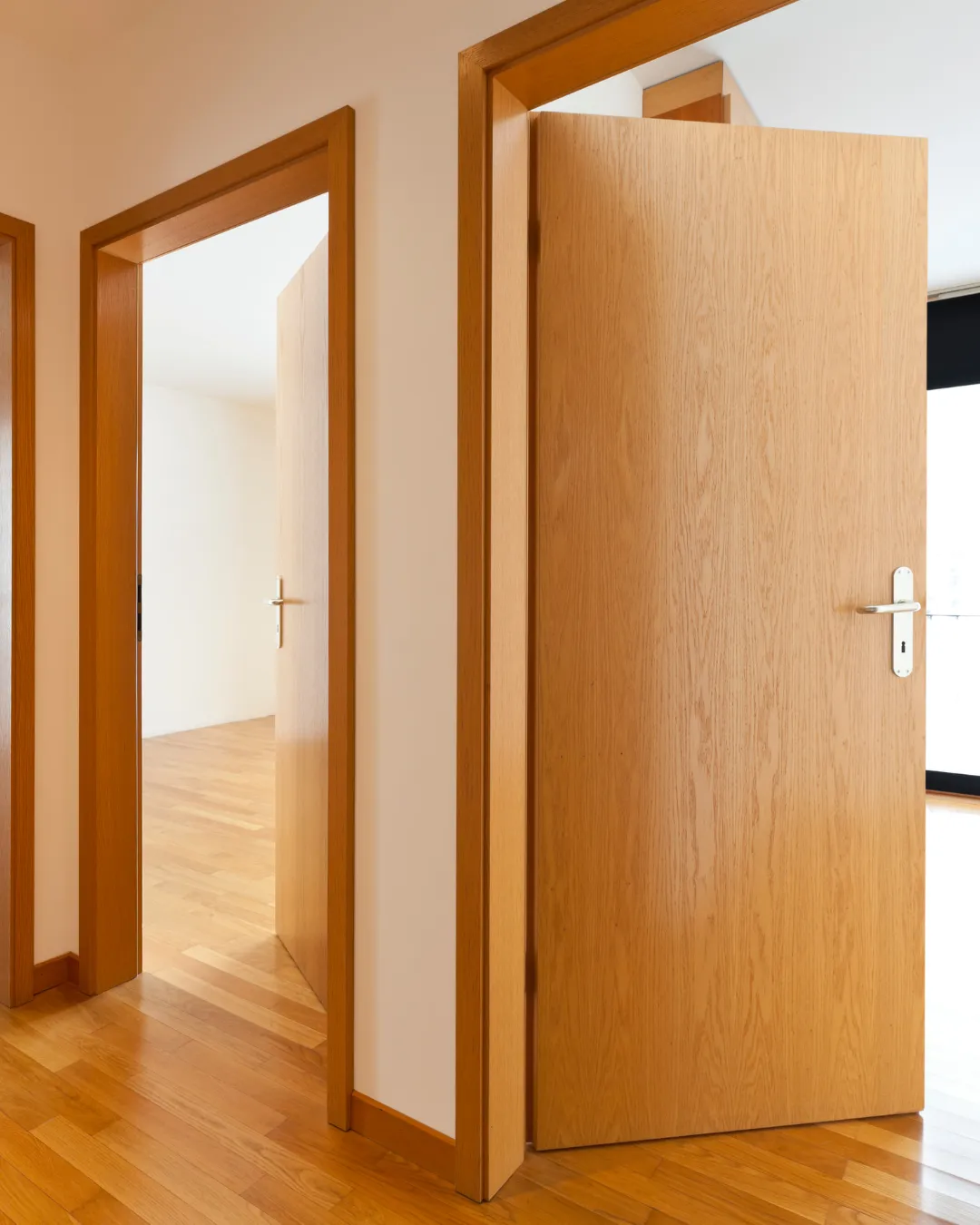
Interior Doors
Bedroom, bathroom, and closet door replacements — new slabs, prehung units, and hardware that closes quiet and clean.
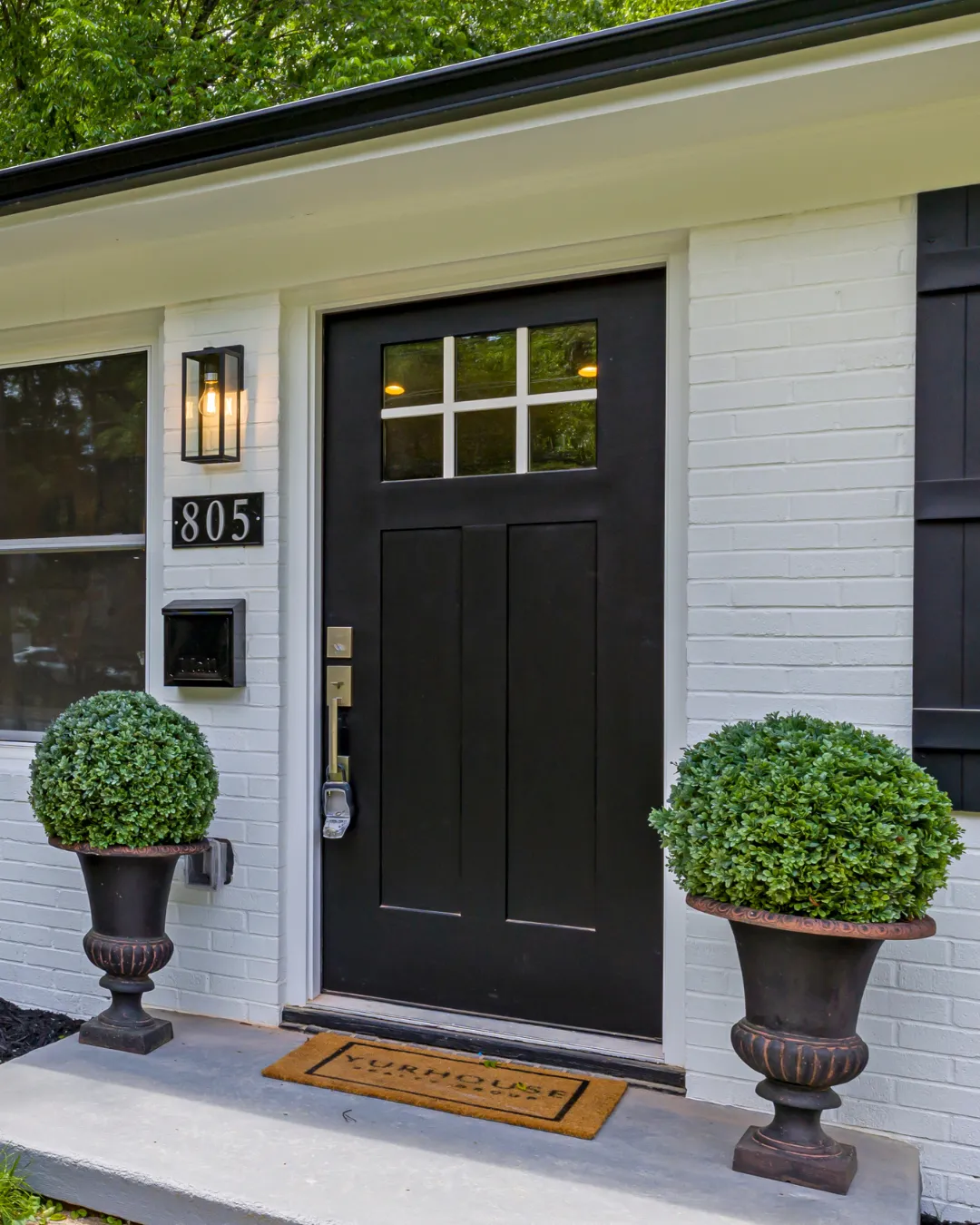
Exterior & Entry Doors
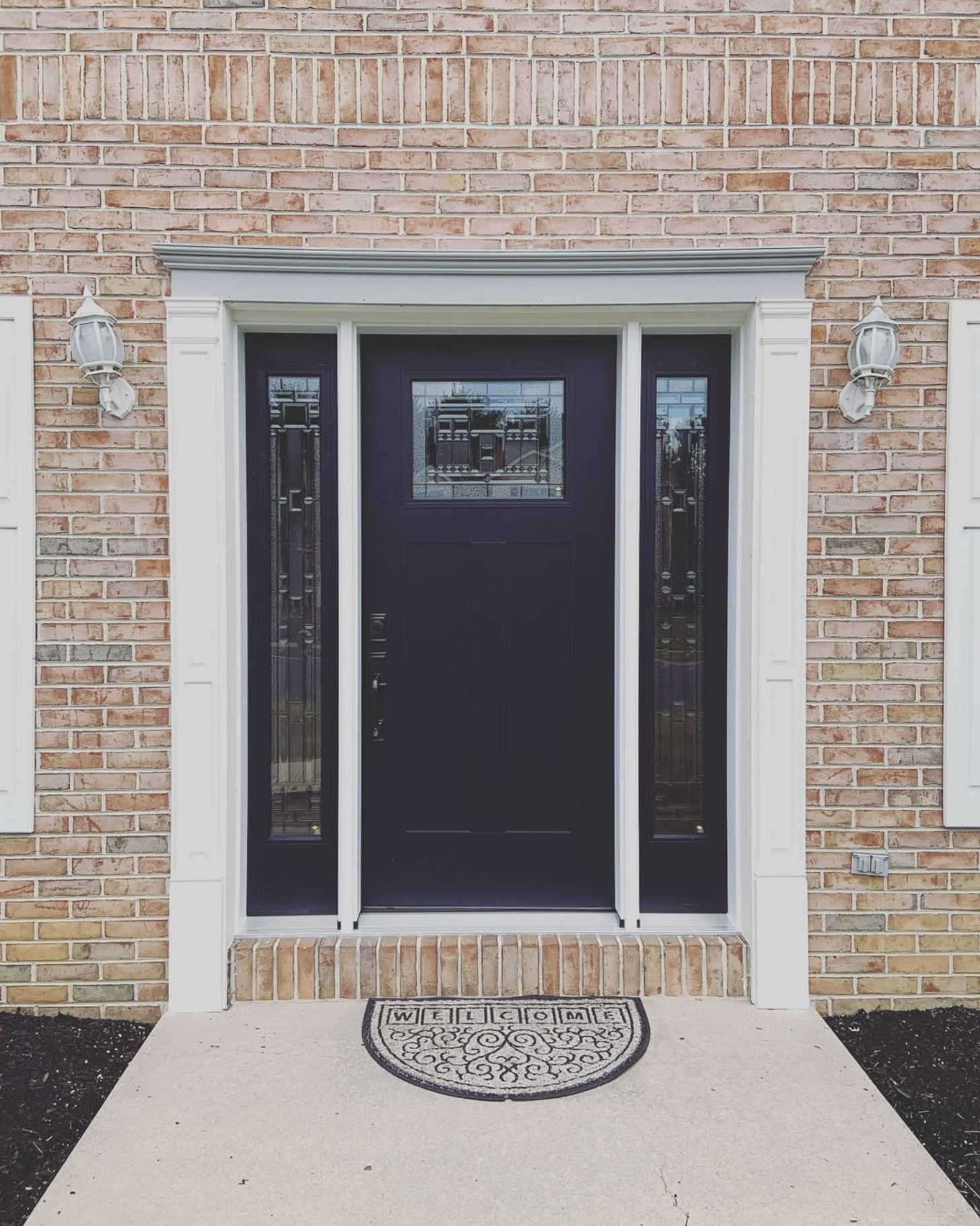
New front doors, entry doors, and storm doors installed with proper weather sealing and trim that keeps drafts and water out.
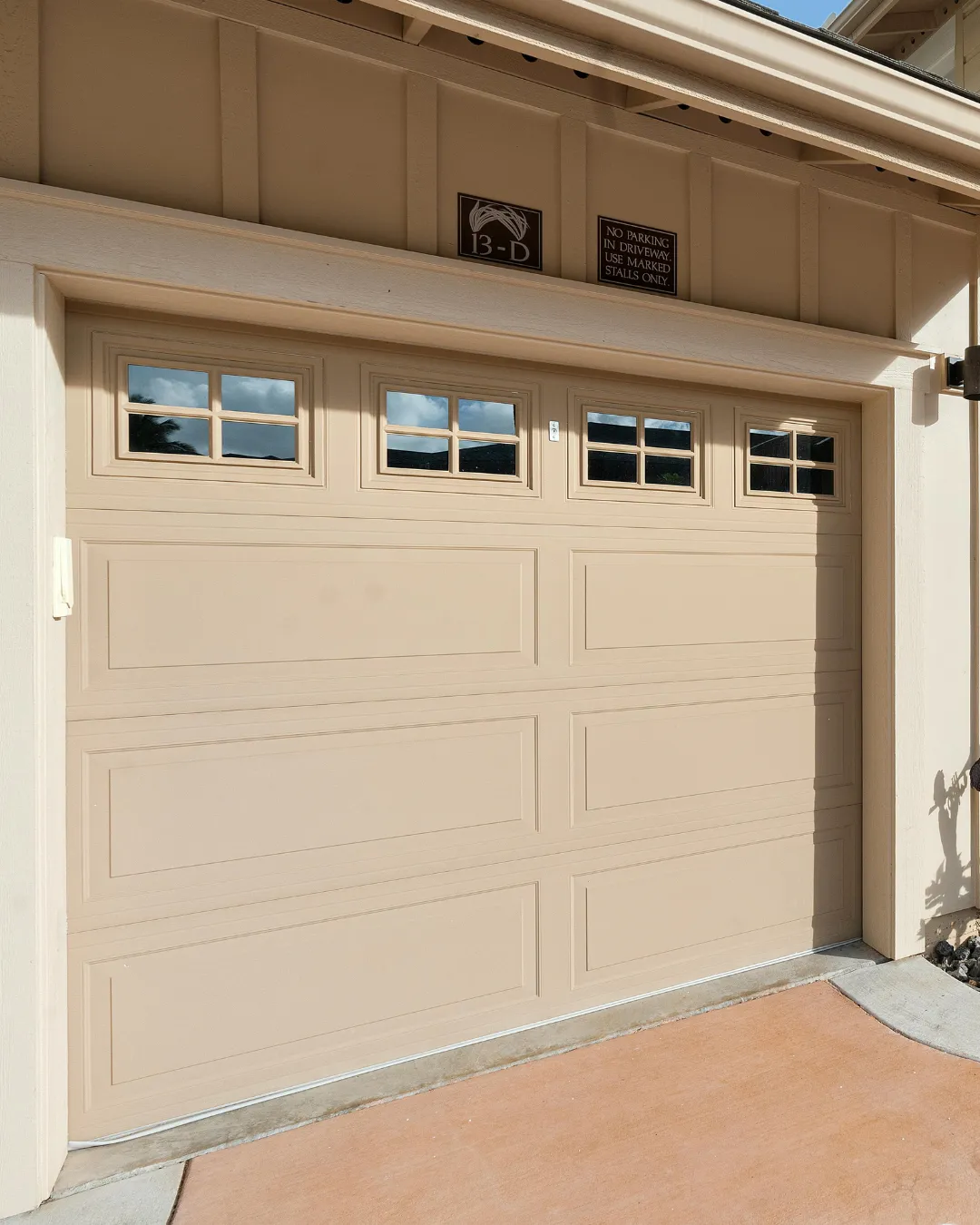
Garage Doors
Residential garage door replacement in styles and finishes that match your home and stand up to Pennsylvania winters.
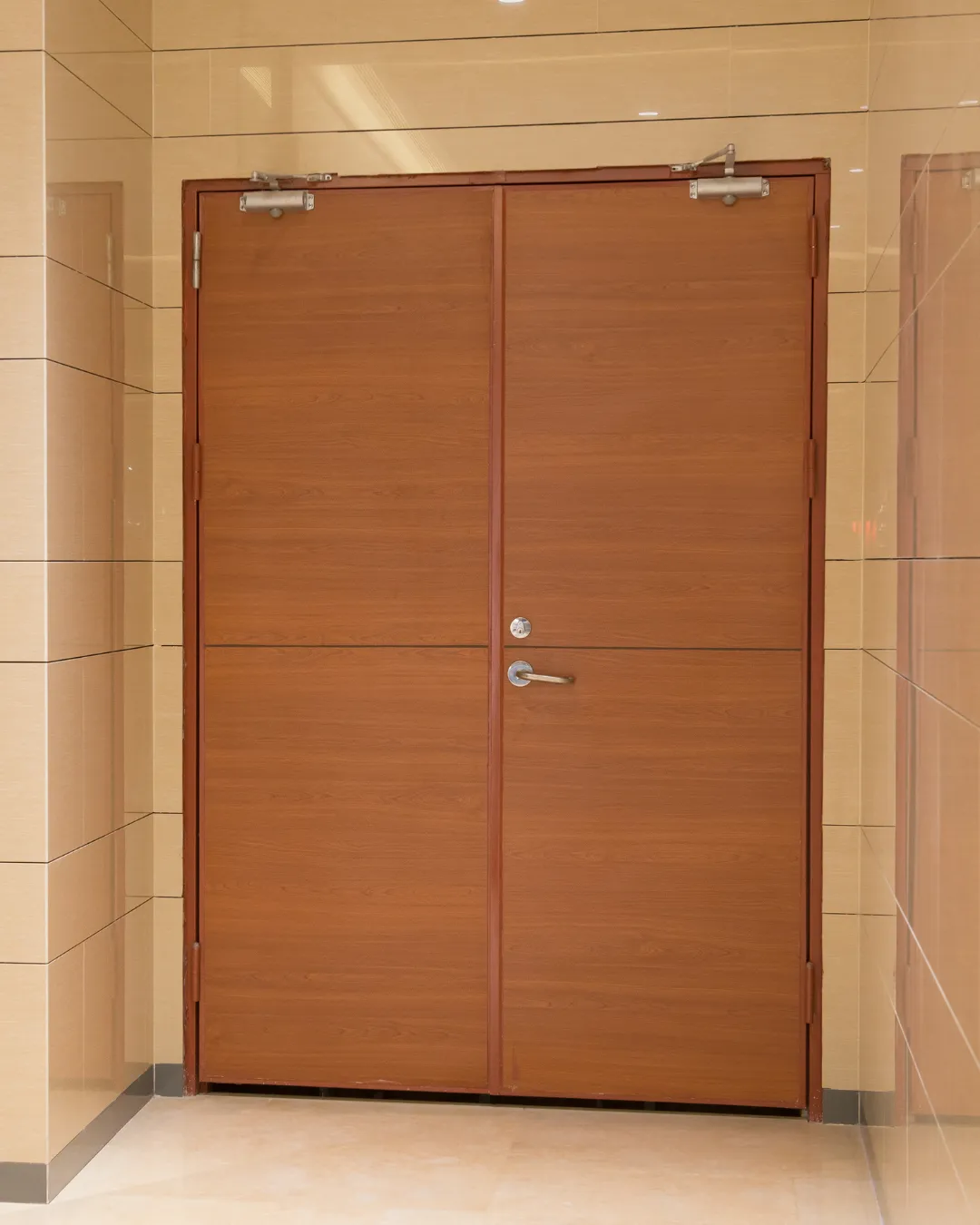
Commercial Doors
Commercial steel doors, frames, and overhead door replacement for storefronts, shops, and light-industrial buildings.
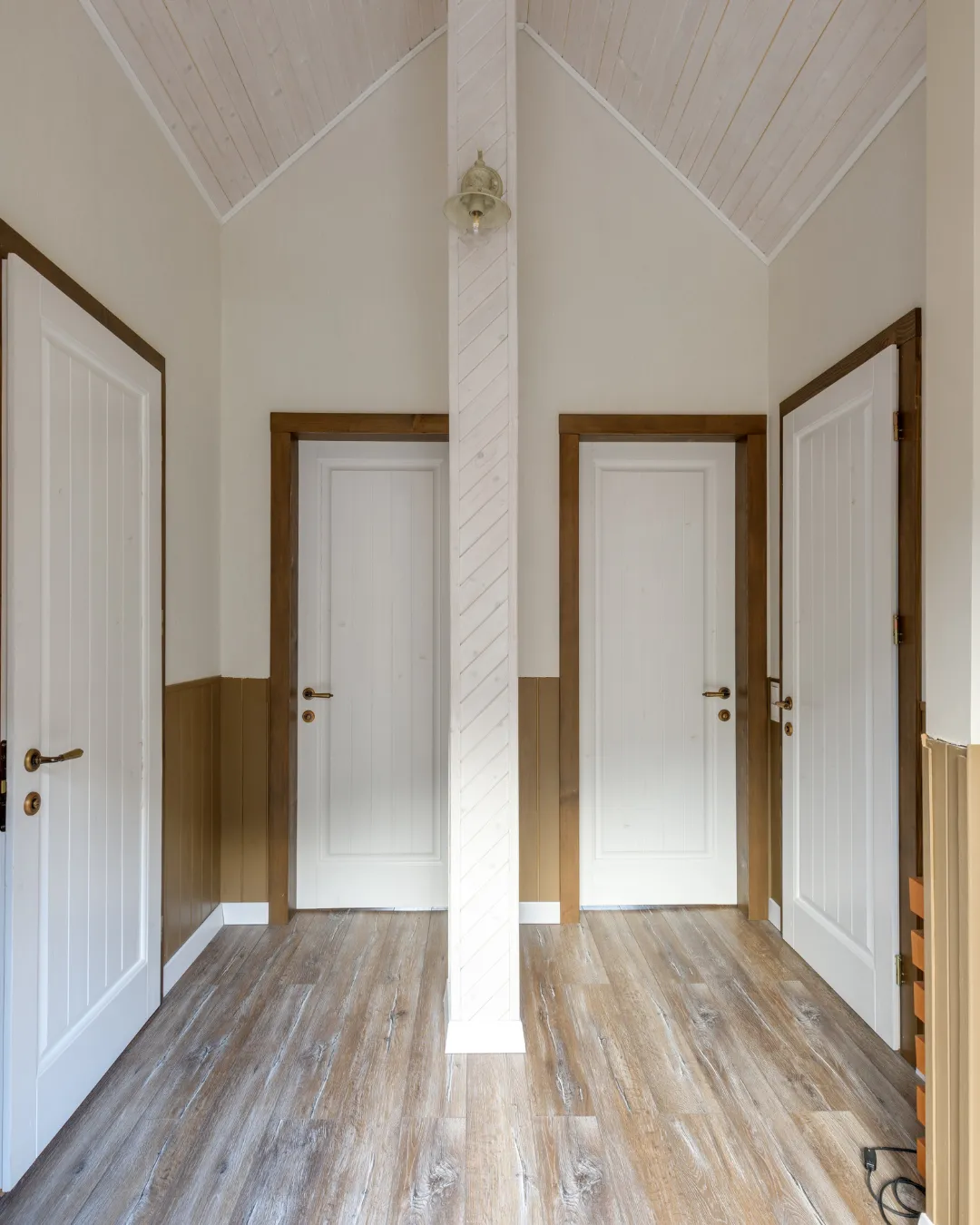
Custom-Sized Doors
Non-standard and oversized openings are our specialty. When a stock door won't fit, we source and fit one that will.
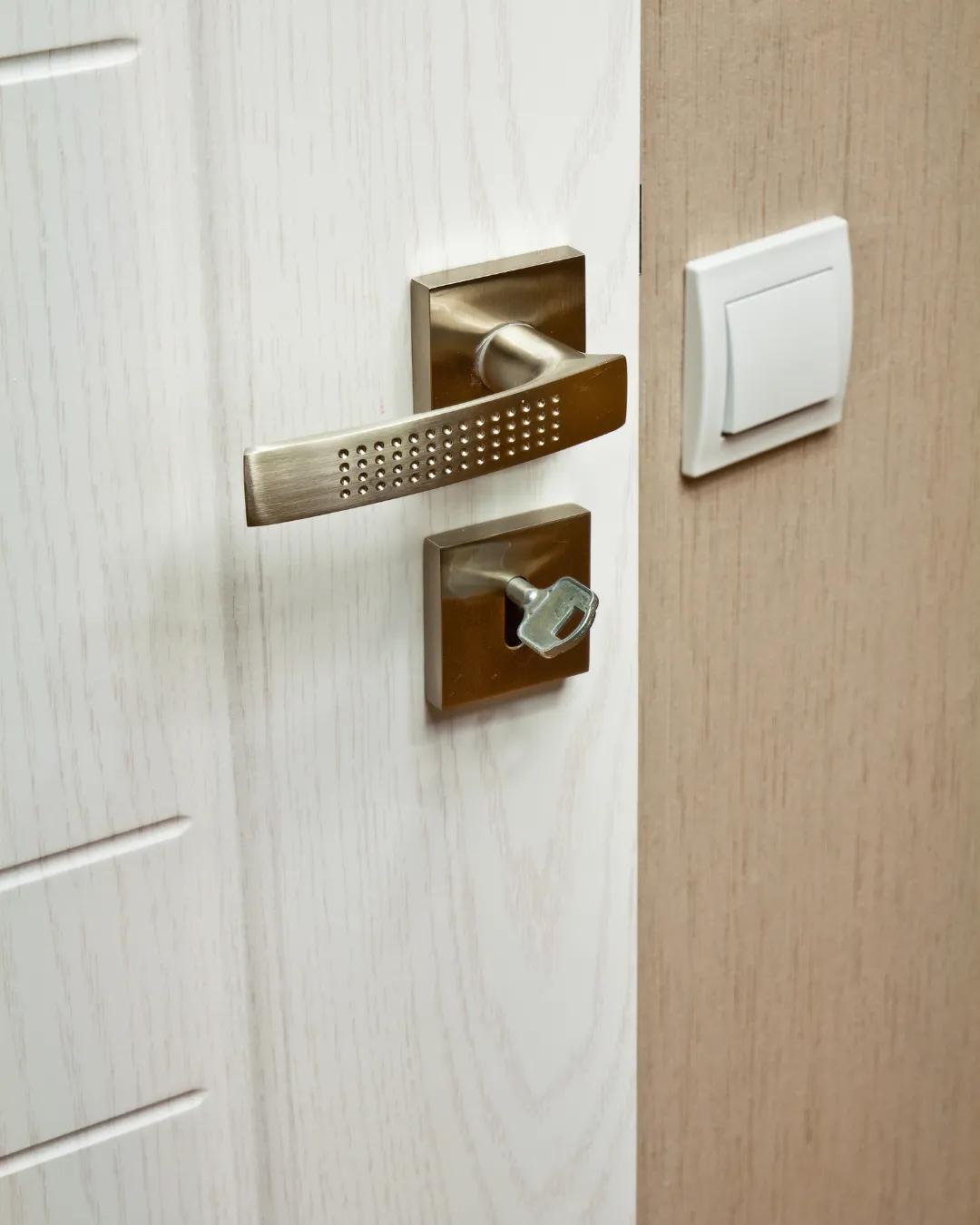
Hardware & Finishing
Locks, handles, and hinges installed and adjusted so your new door looks right, seals right, and opens smooth every time.
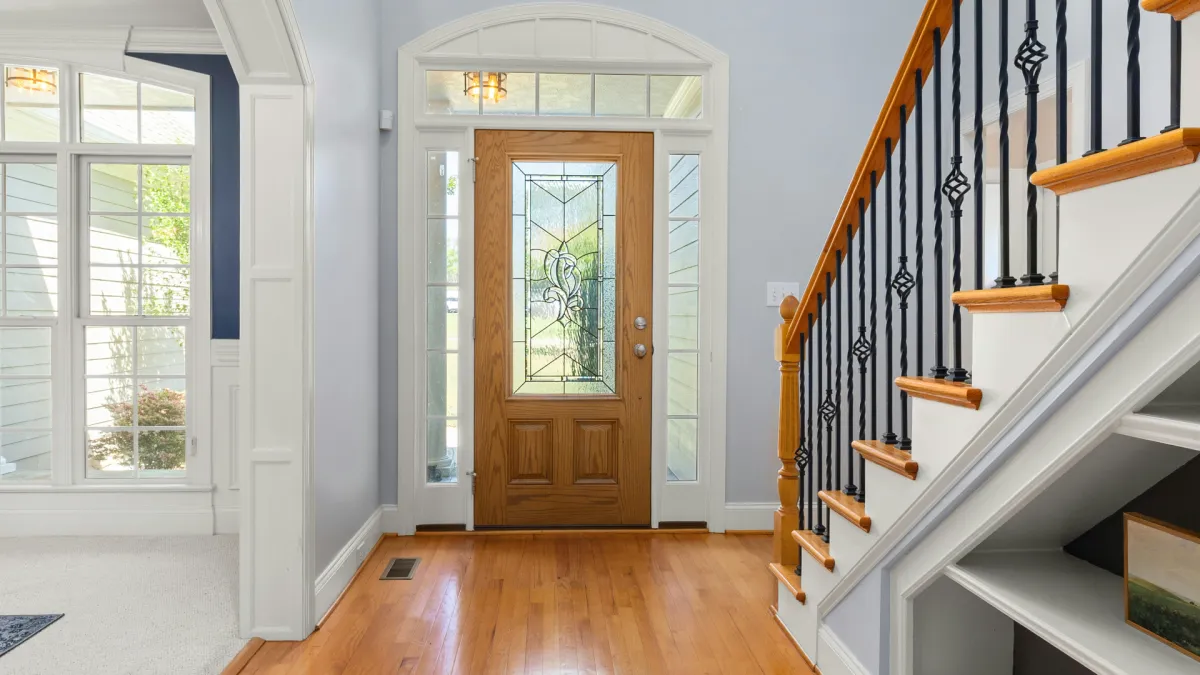
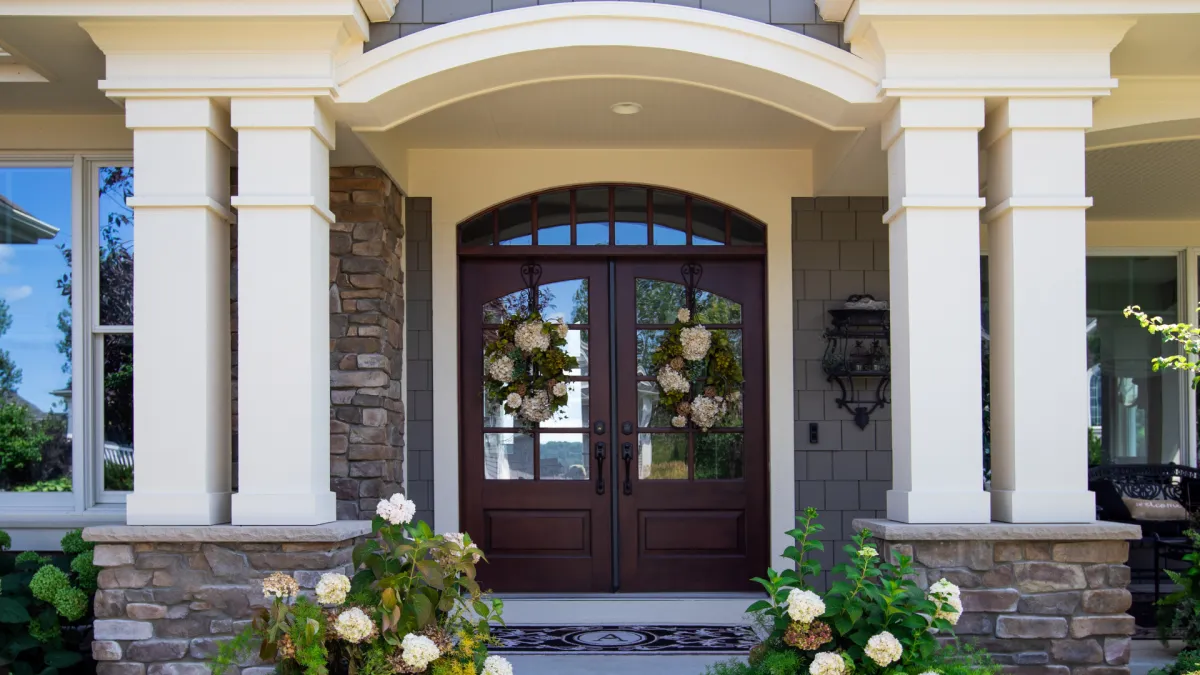
Door Styles
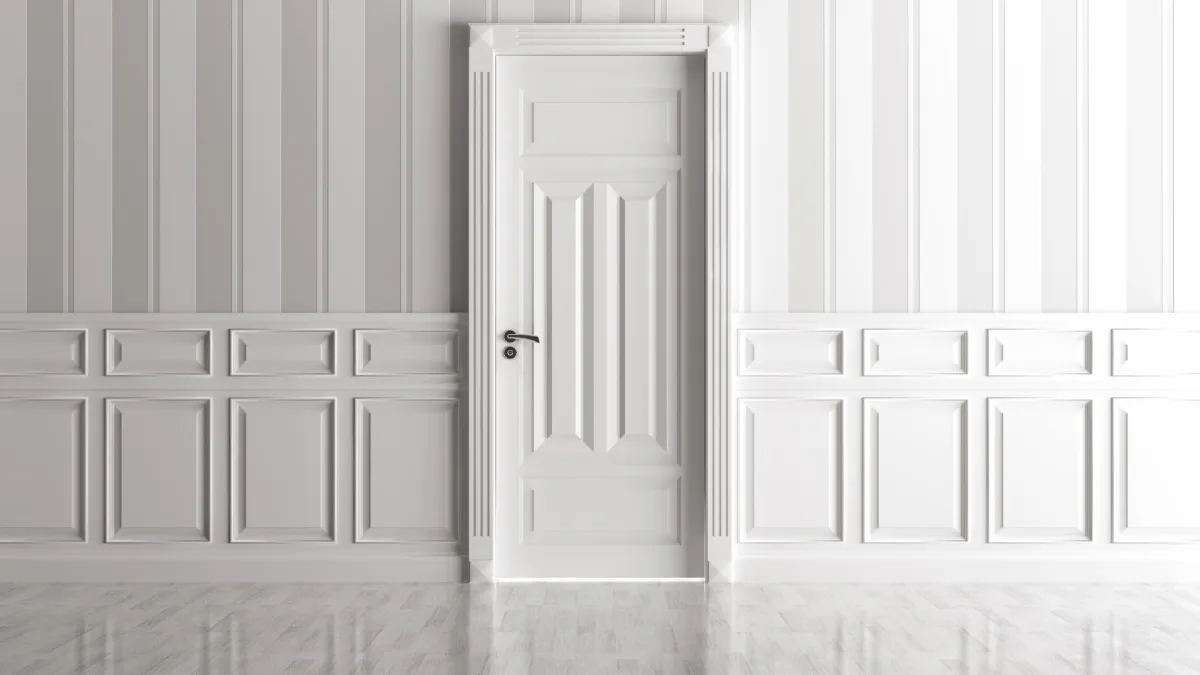
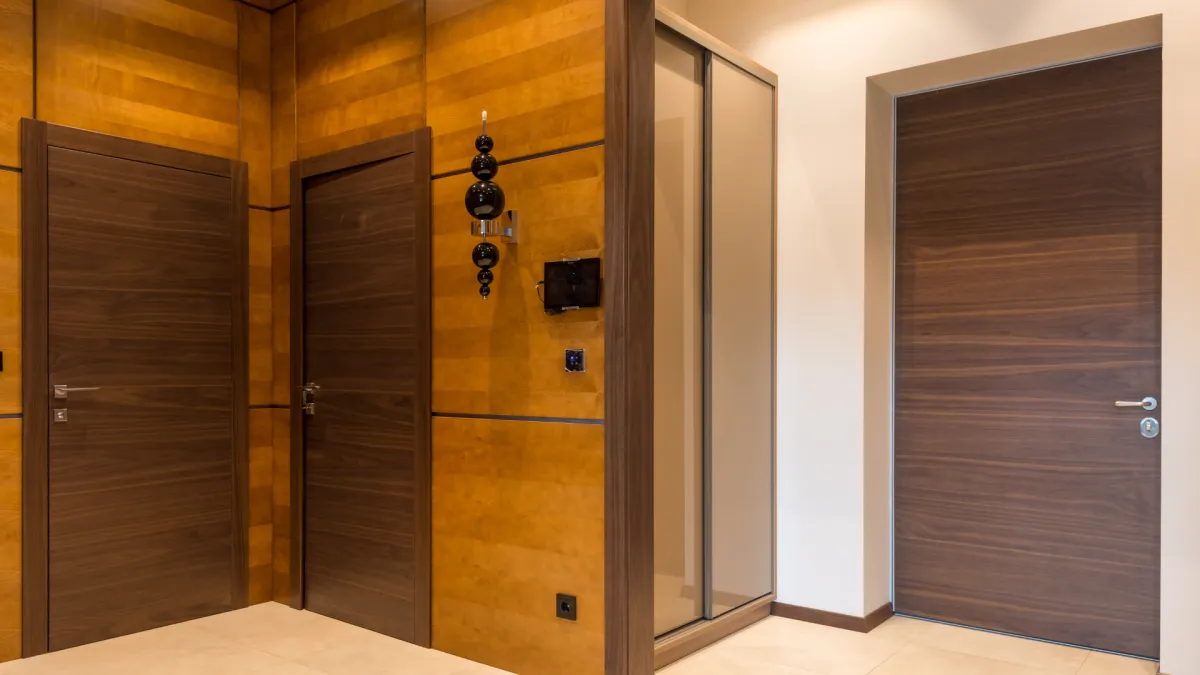
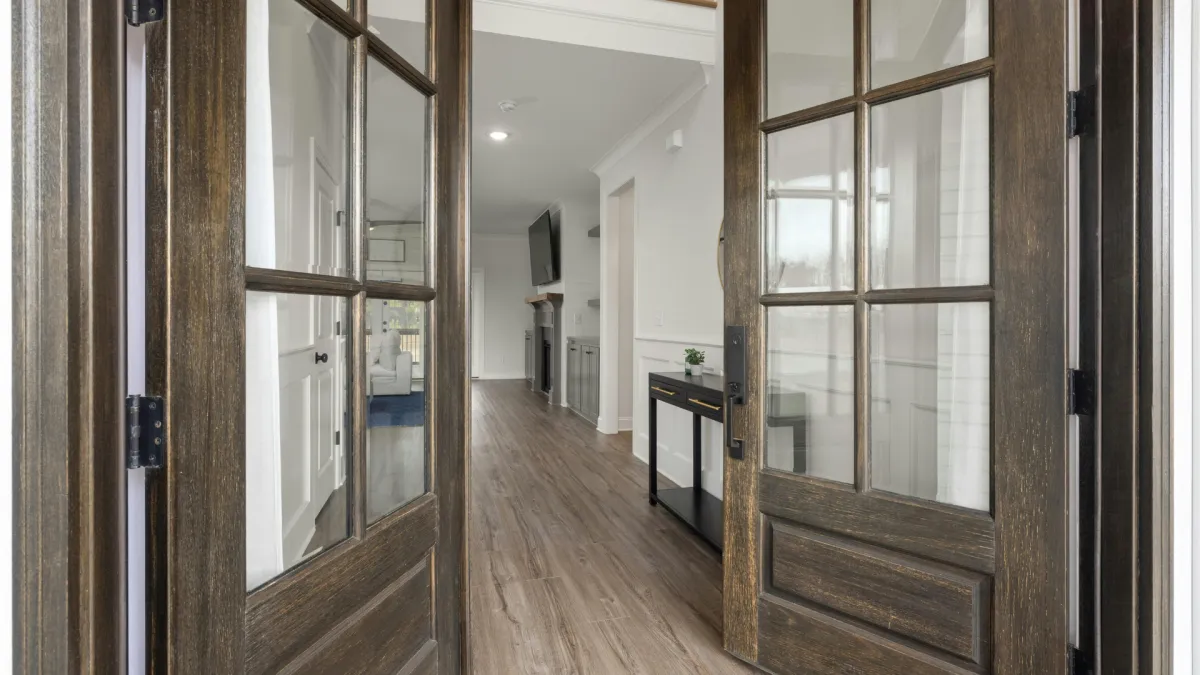
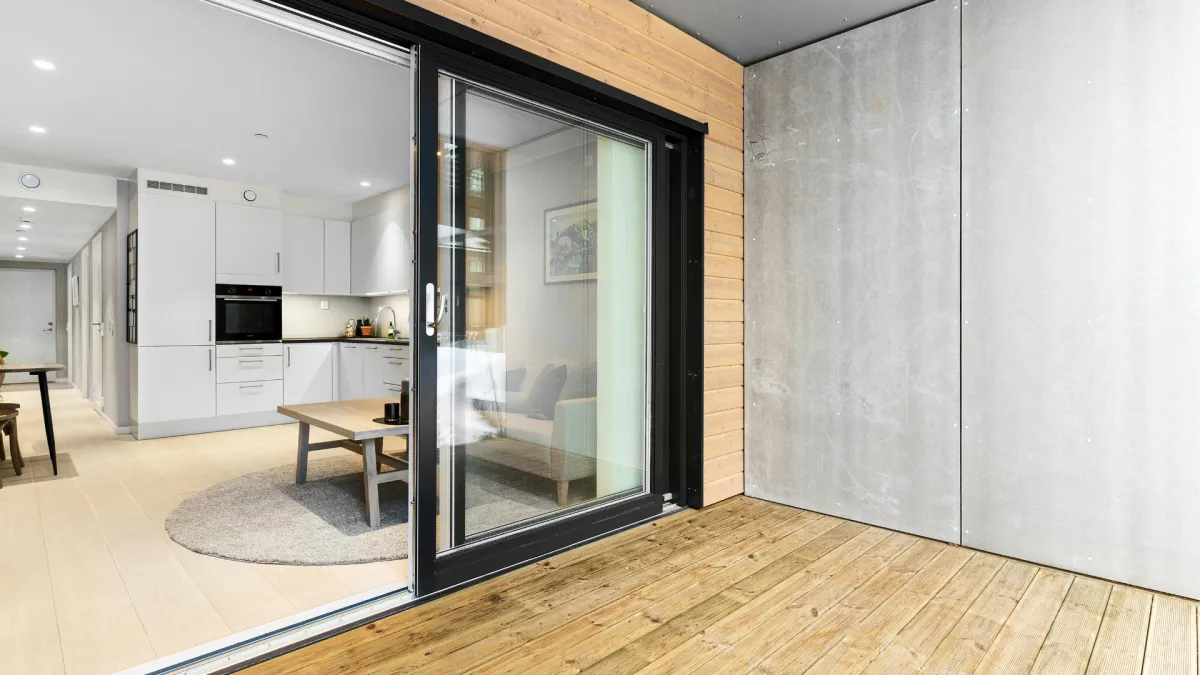
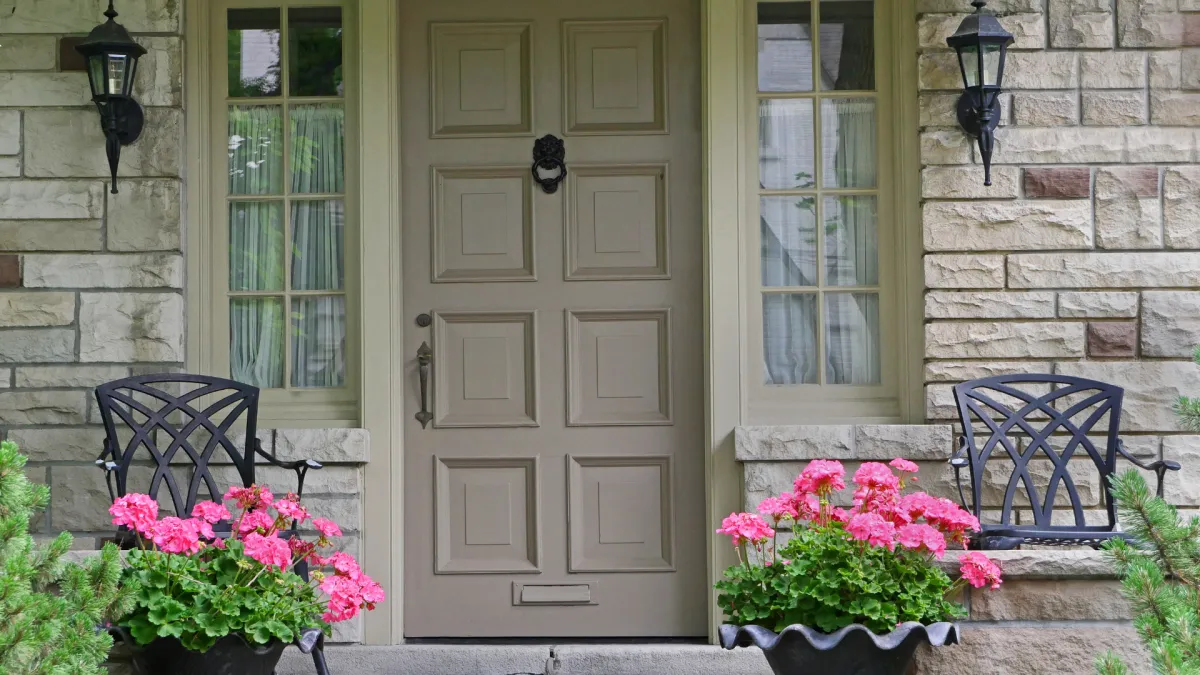
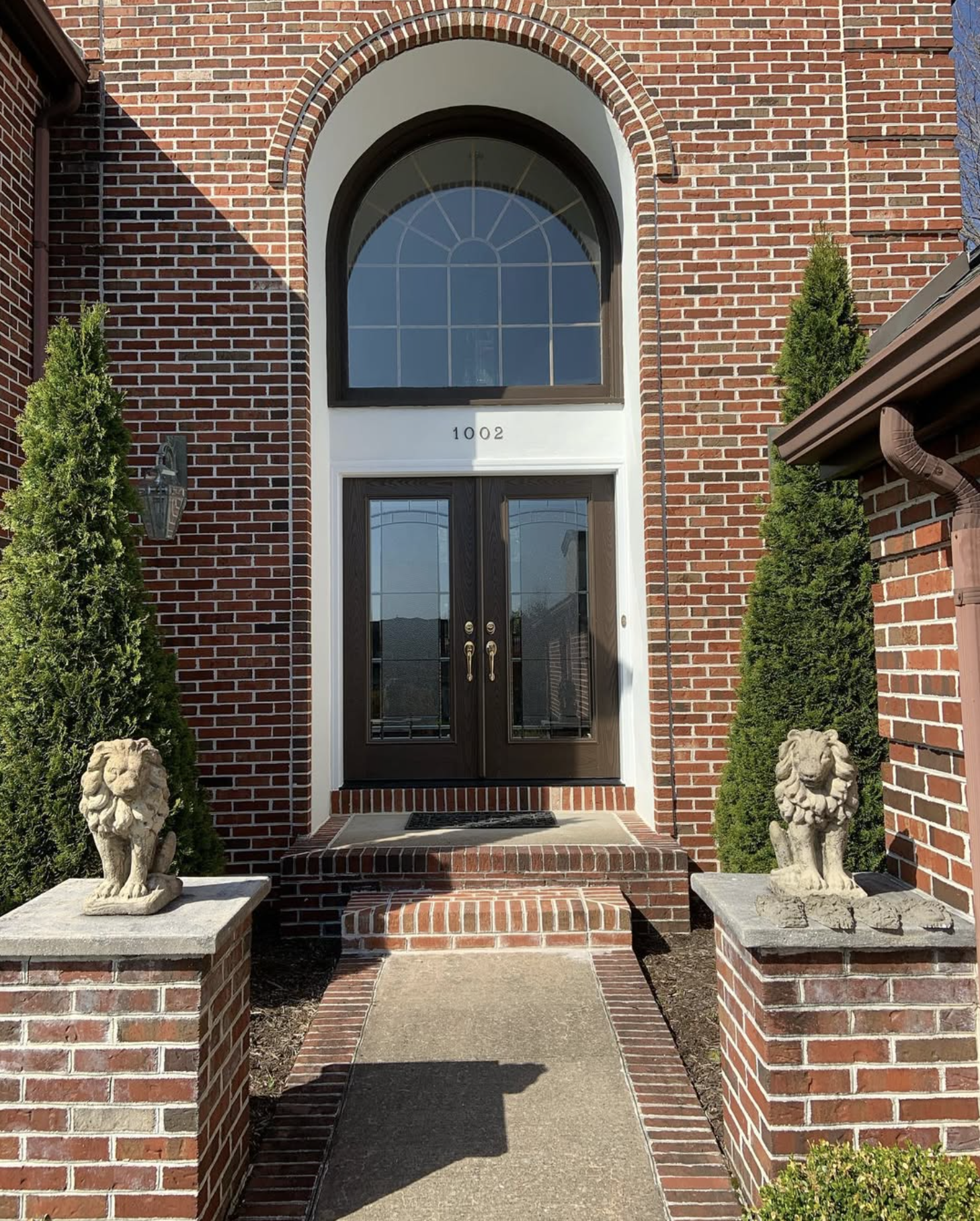
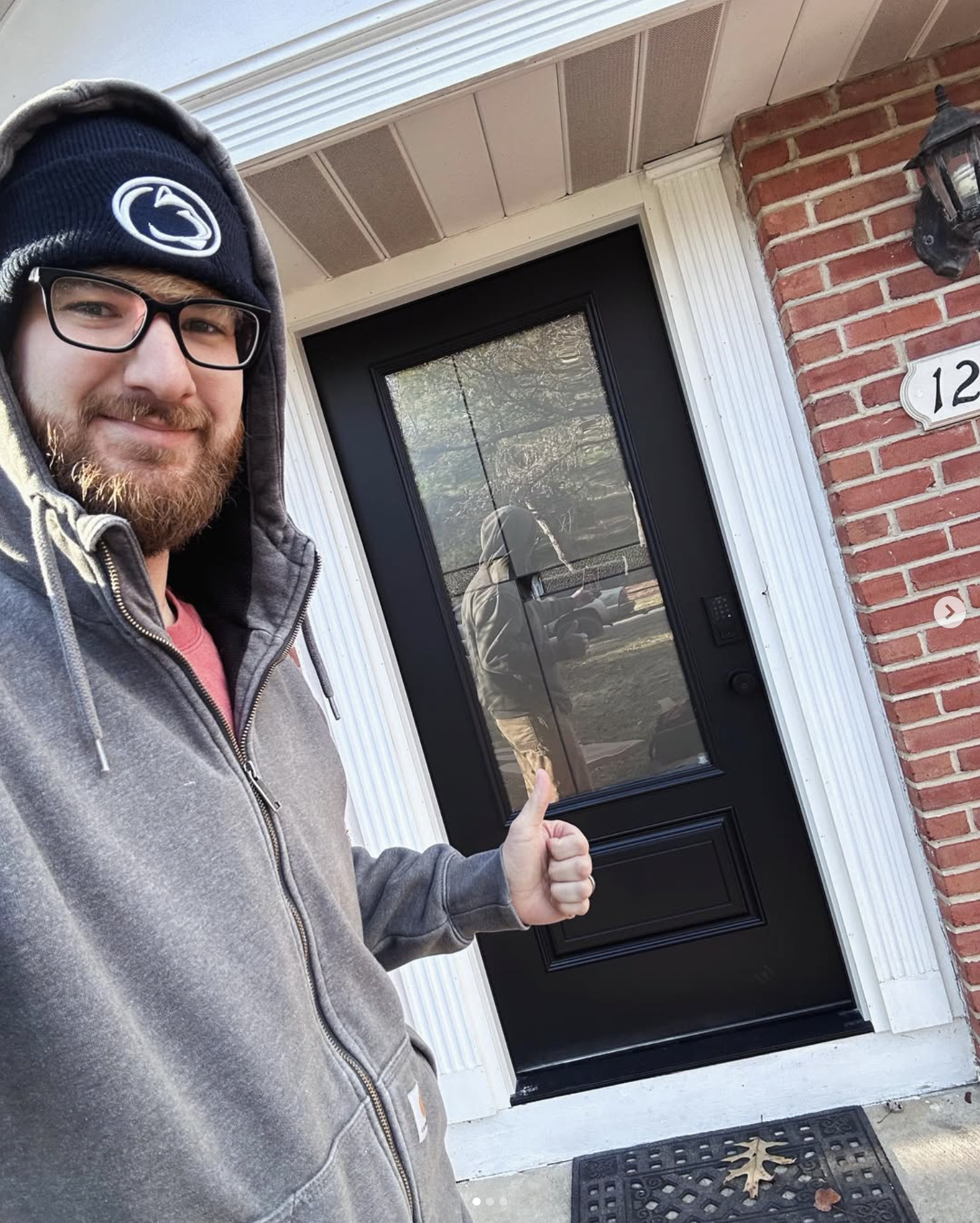
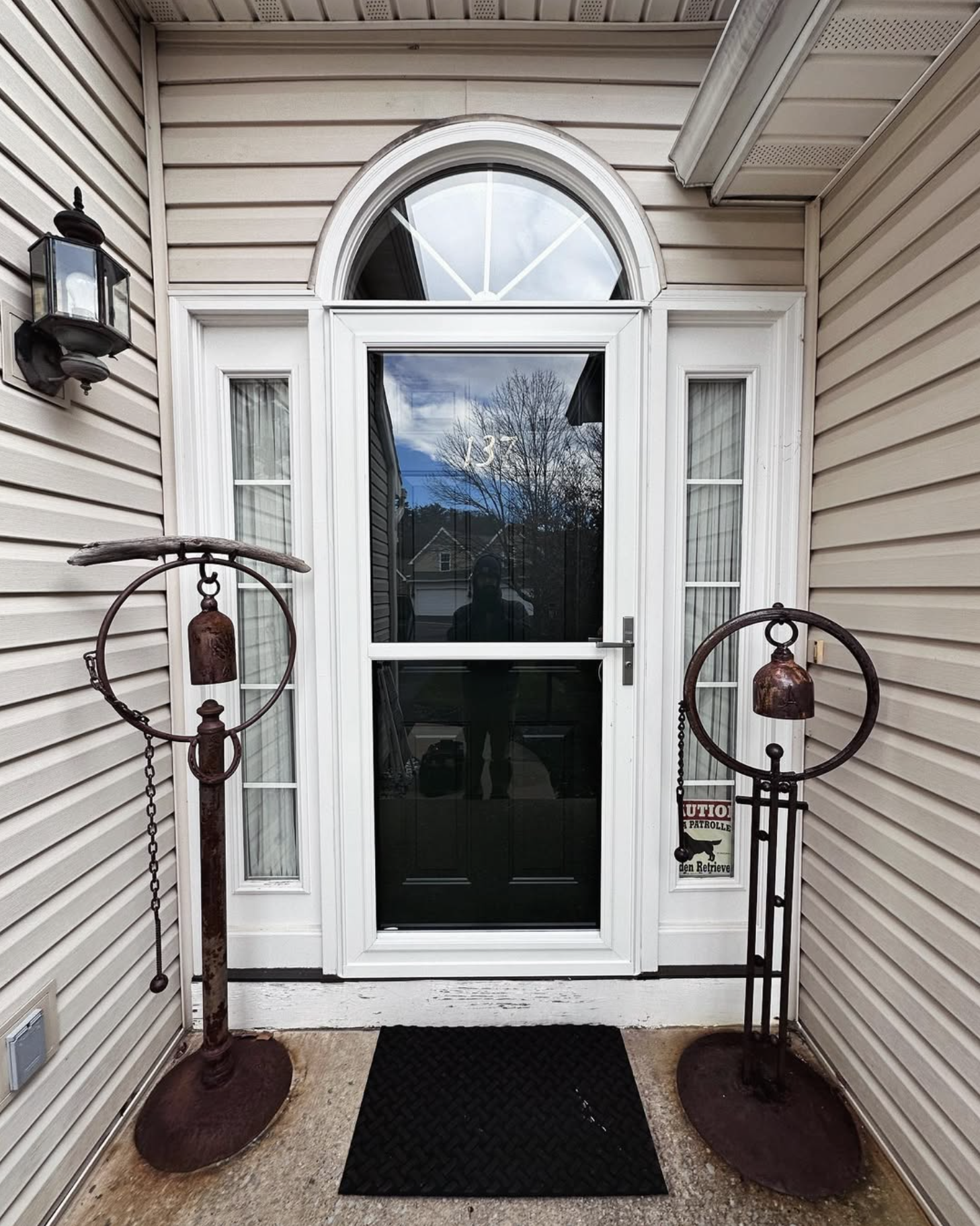
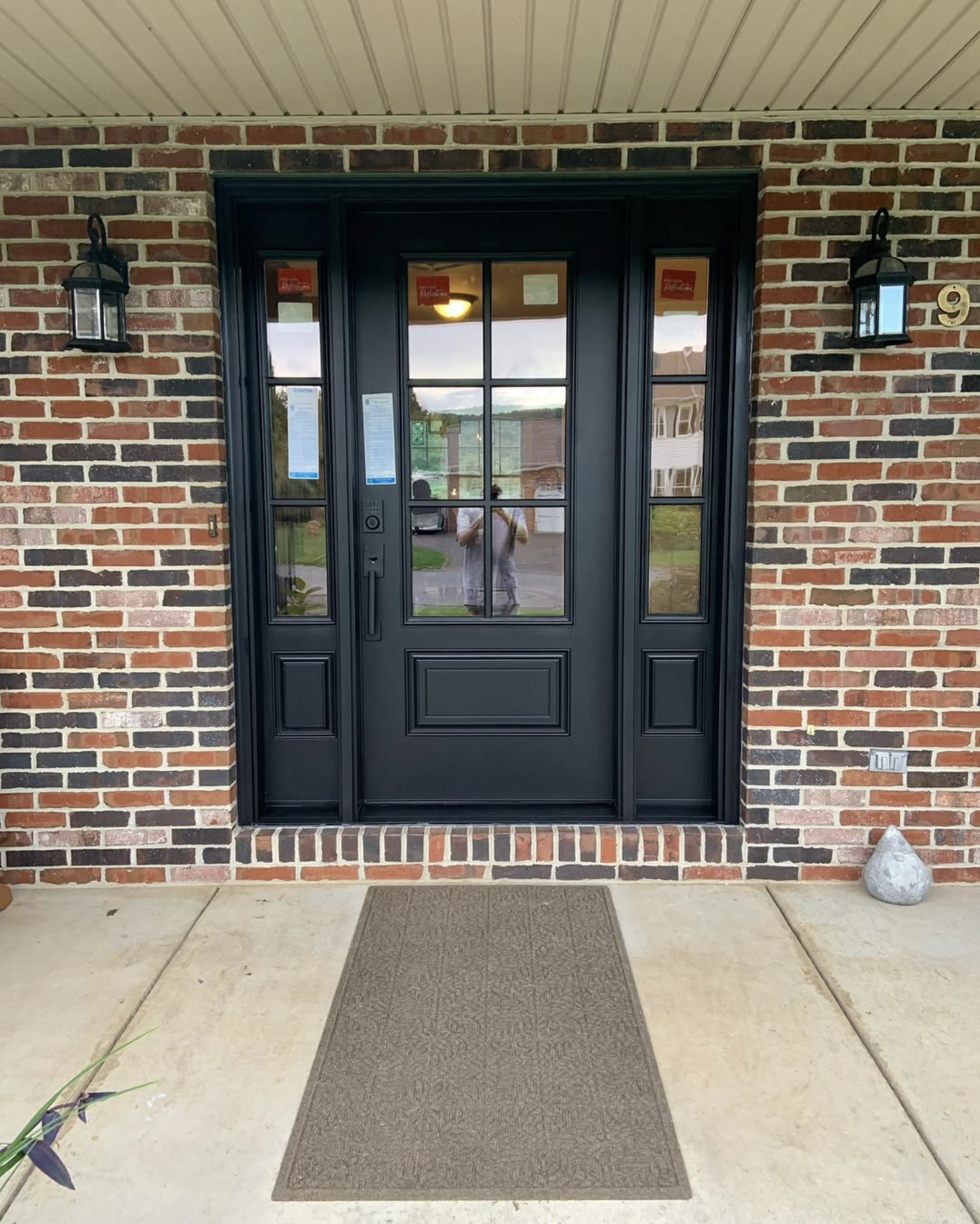
From classic panel to clean & modern.
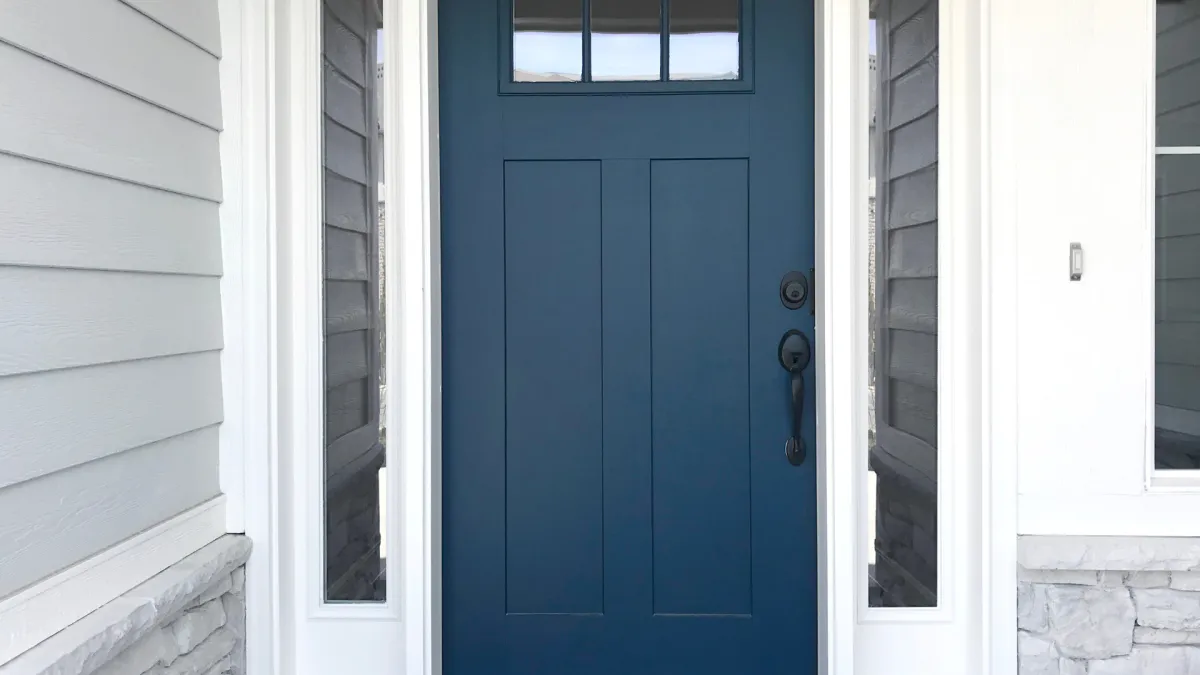
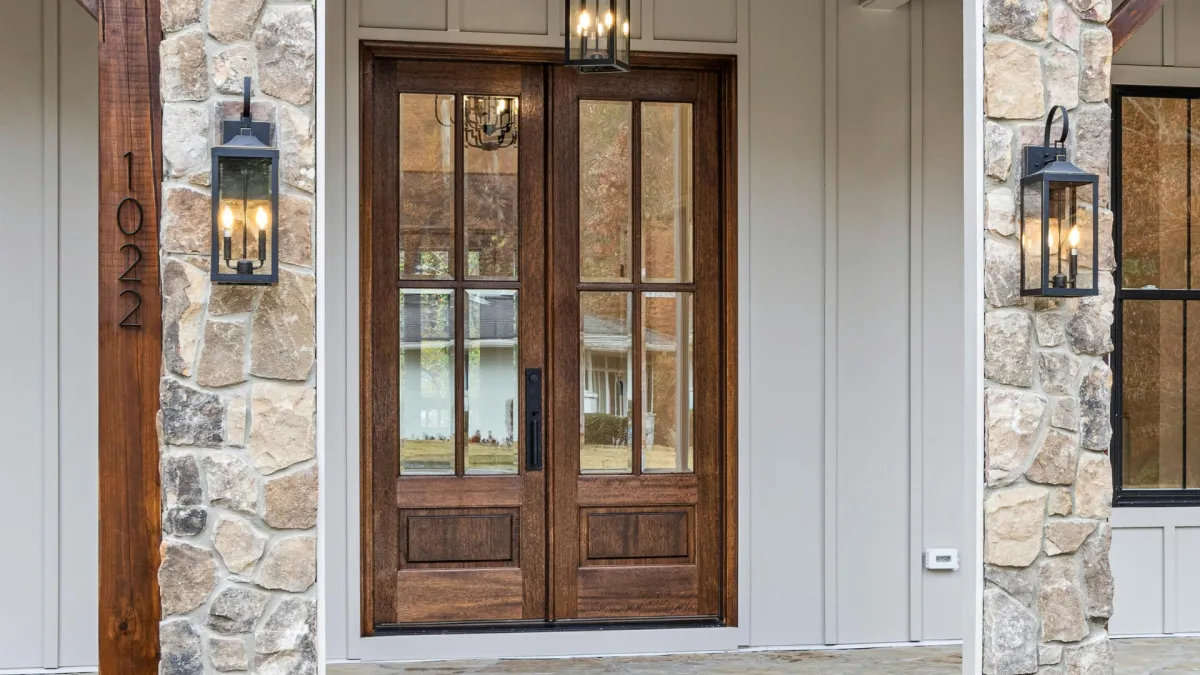
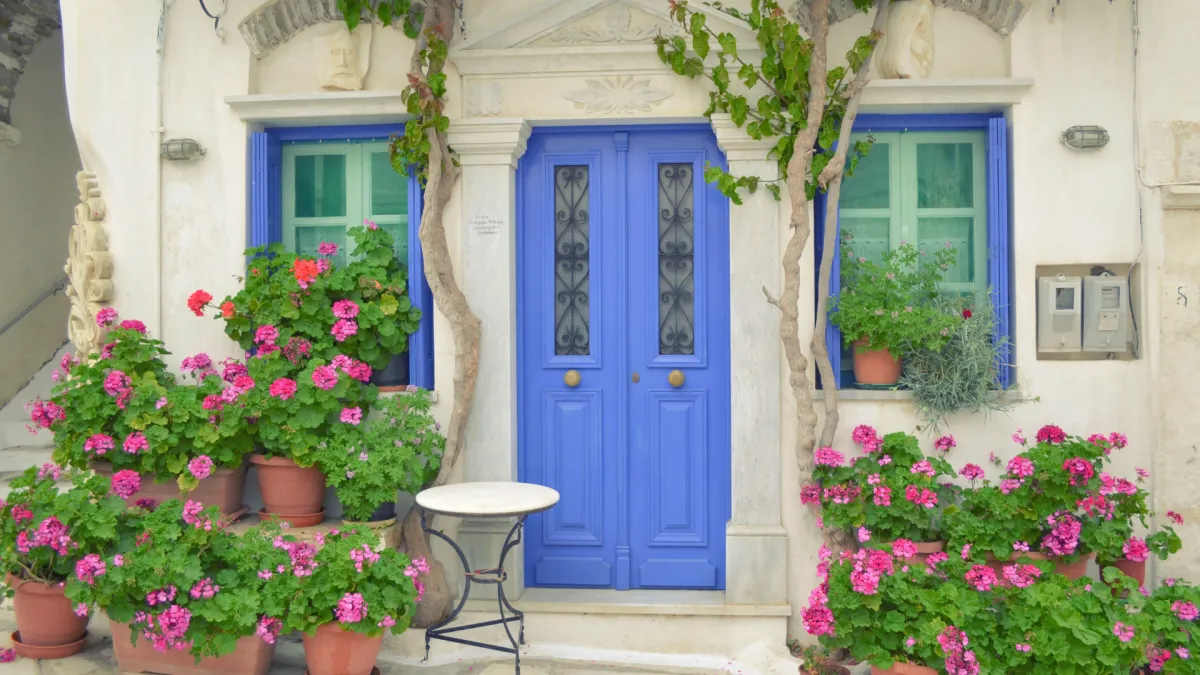
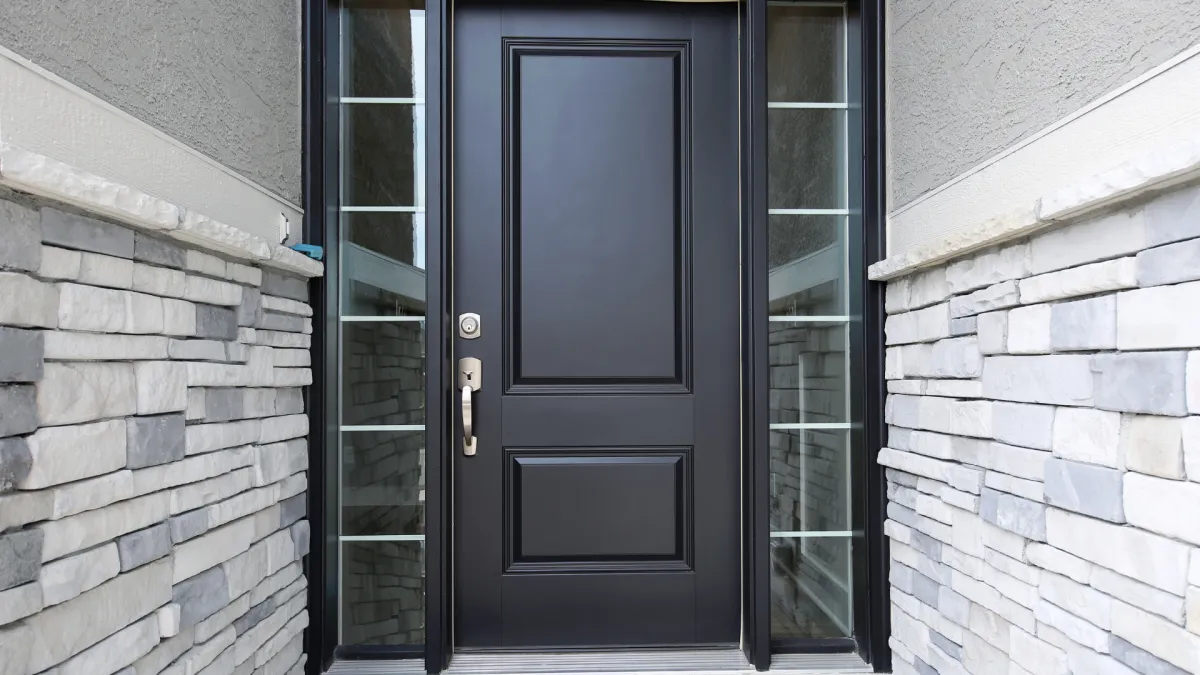
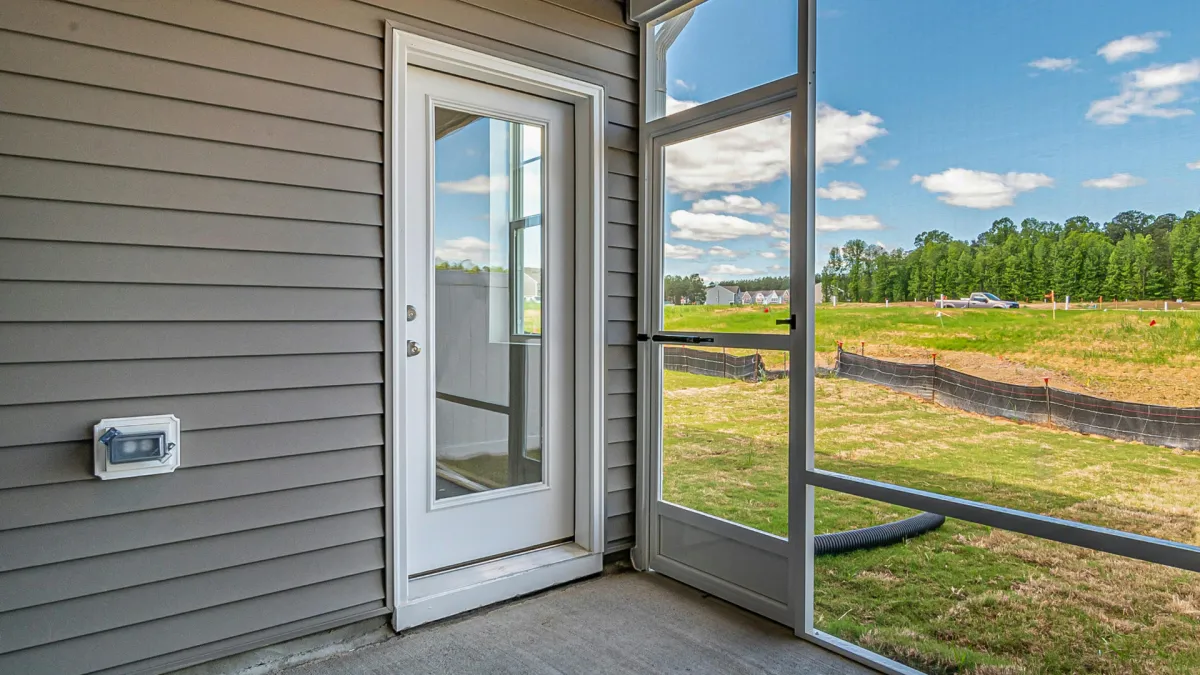
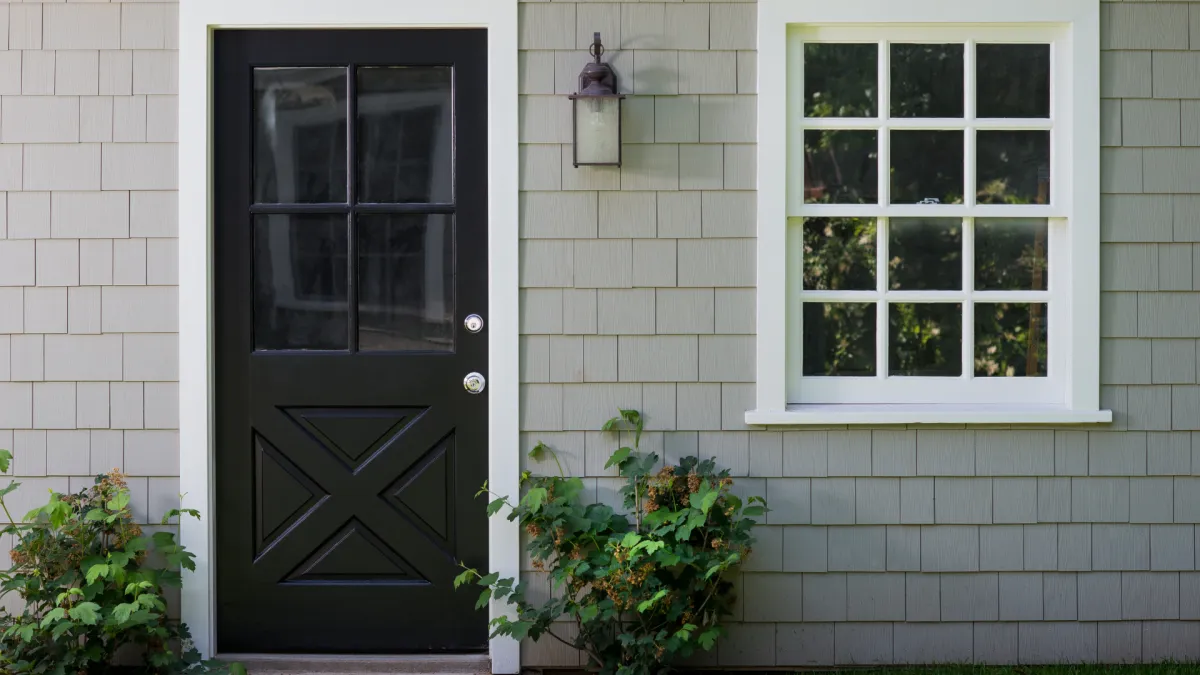
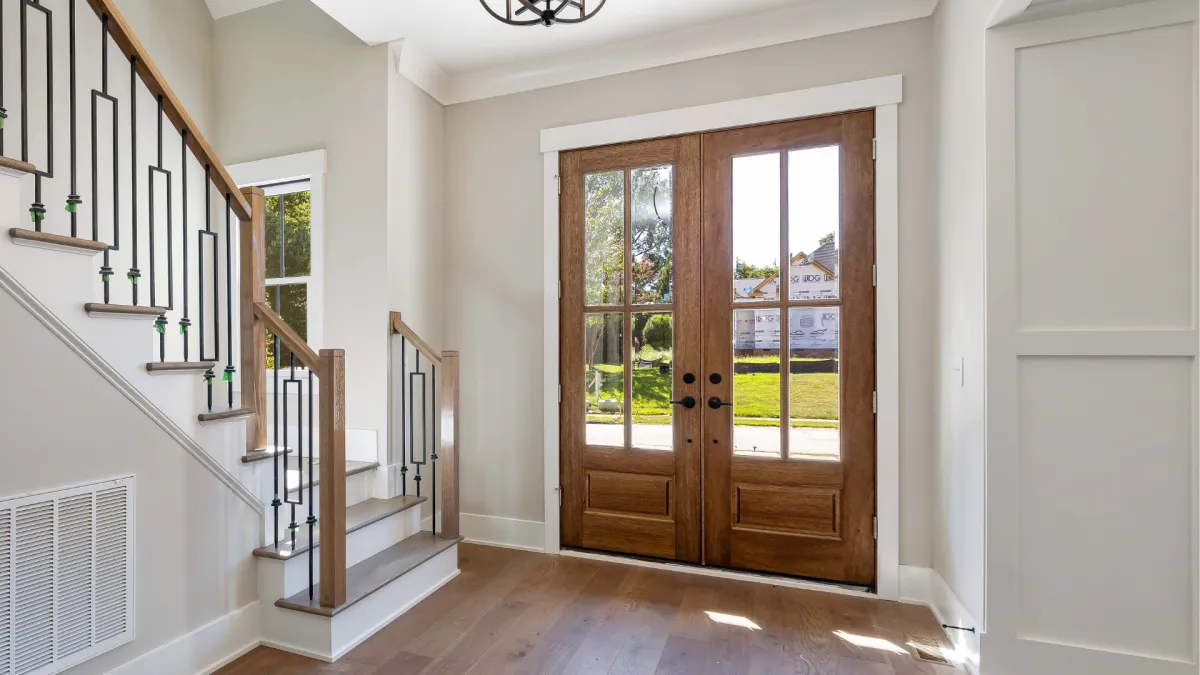
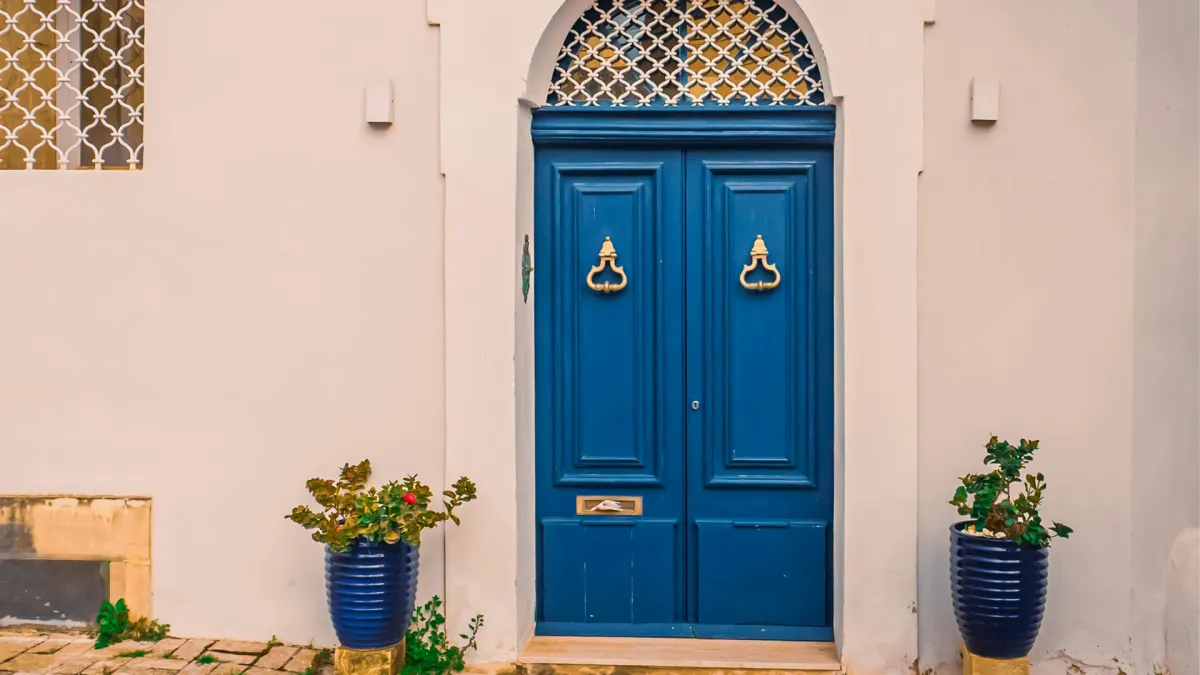
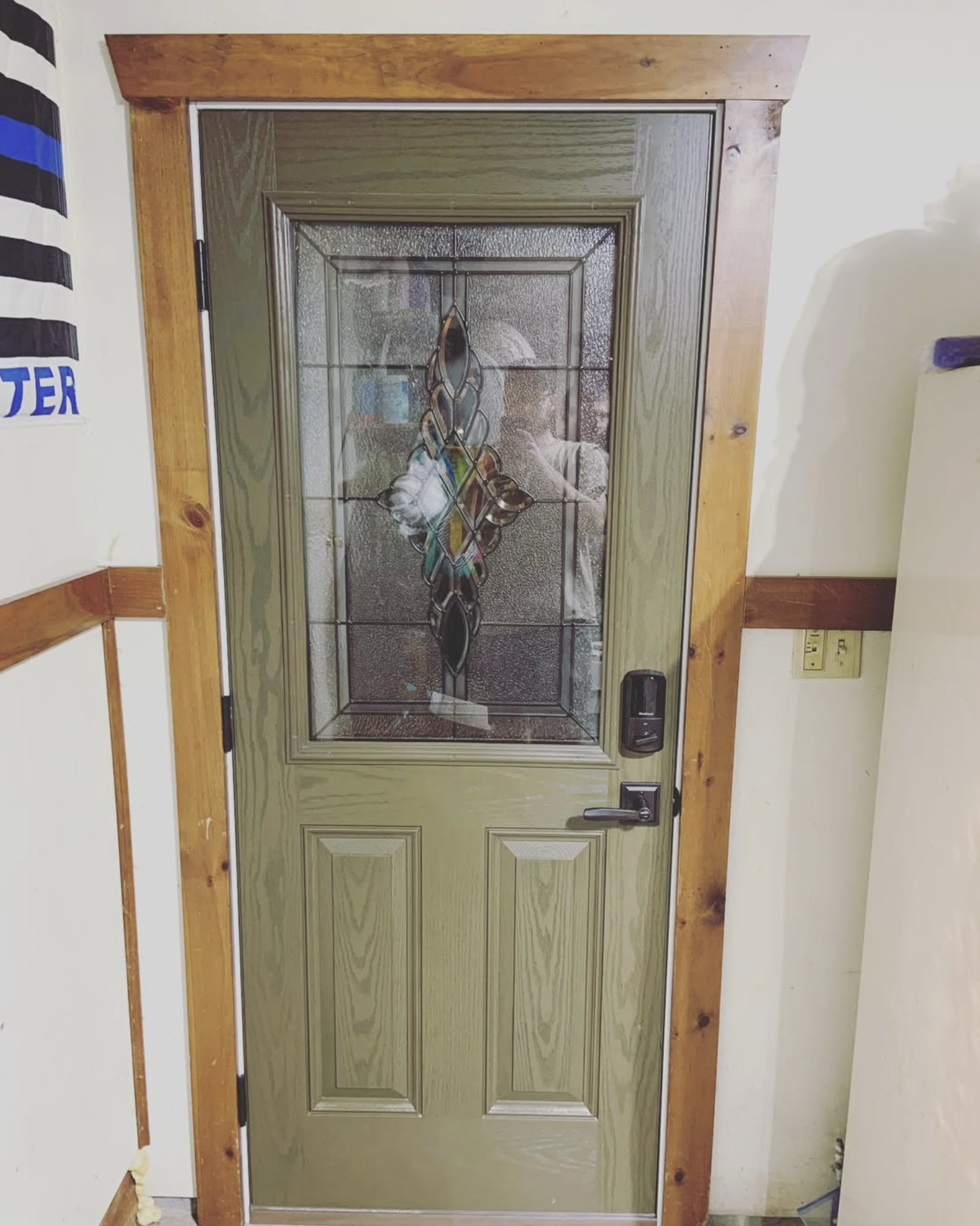
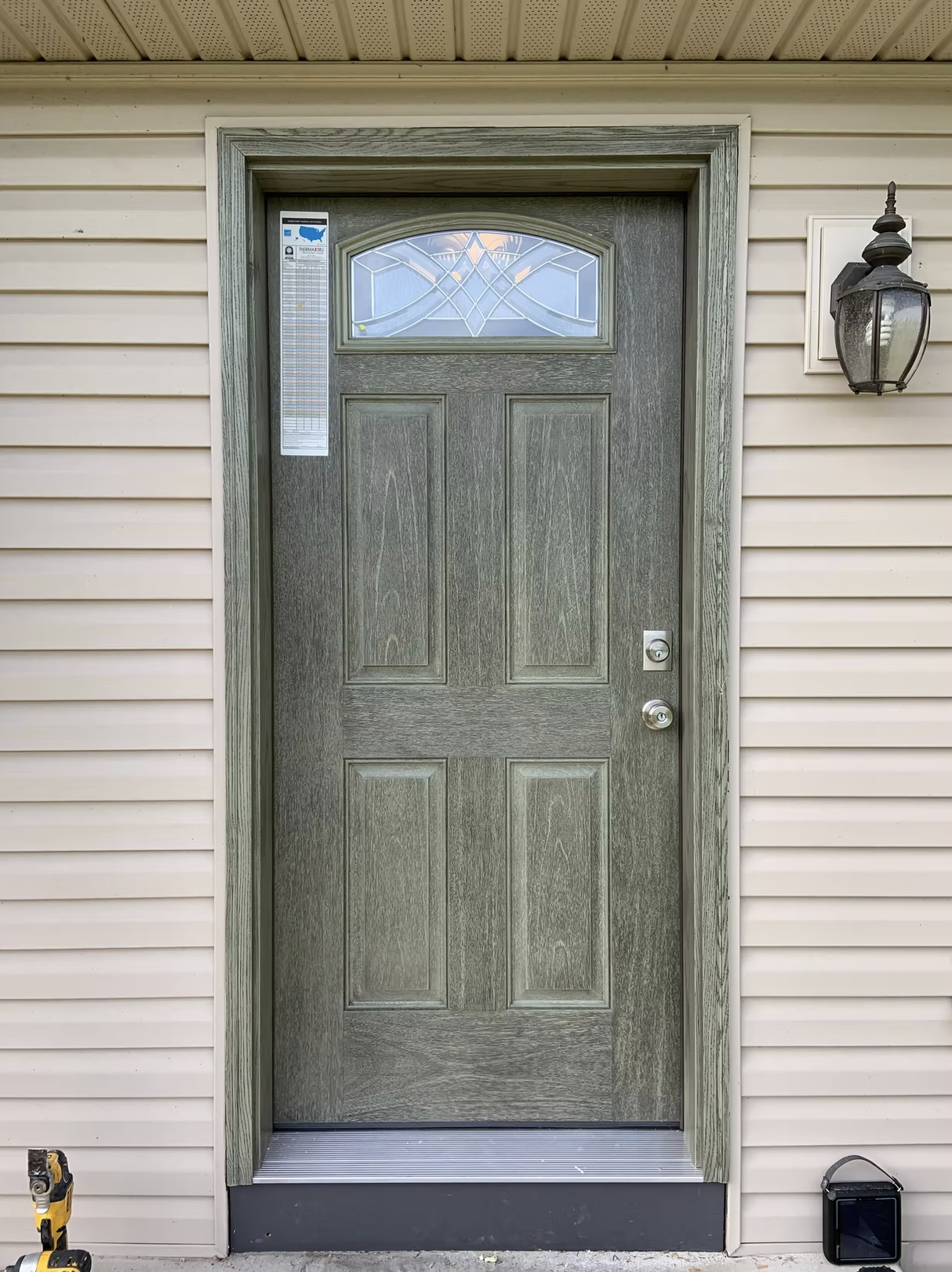
A glimpse of the styles we install. Not sure what suits your home? We'll help you narrow it down at your assessment.
How It Works
Three steps from worn-out to brand-new.
No pressure, no guesswork — we measure, recommend what actually fits, and install it right.

Book your assessment
Schedule a free in-home visit online. We measure your openings and talk through styles, finishes, and what fits your space.

Get a clear quote
A straightforward price with no surprises — door, hardware, and install spelled out before any work begins.

We install it right
Accurate measurements, level frames, clean finishes, and a door that seals correctly and operates smoothly for years.
Free In-Home Assessment
Not sure what size or style you need?
That's exactly what we're for. We'll measure your openings, recommend options that fit your home and budget, and give you an honest quote — no obligation.
On-site measurements of every opening
Style & finish recommendations
Clear written pricing, no pressure
Customer Reviews
Neighbors who'd hire Jeff again.
About Happy Valley Doors
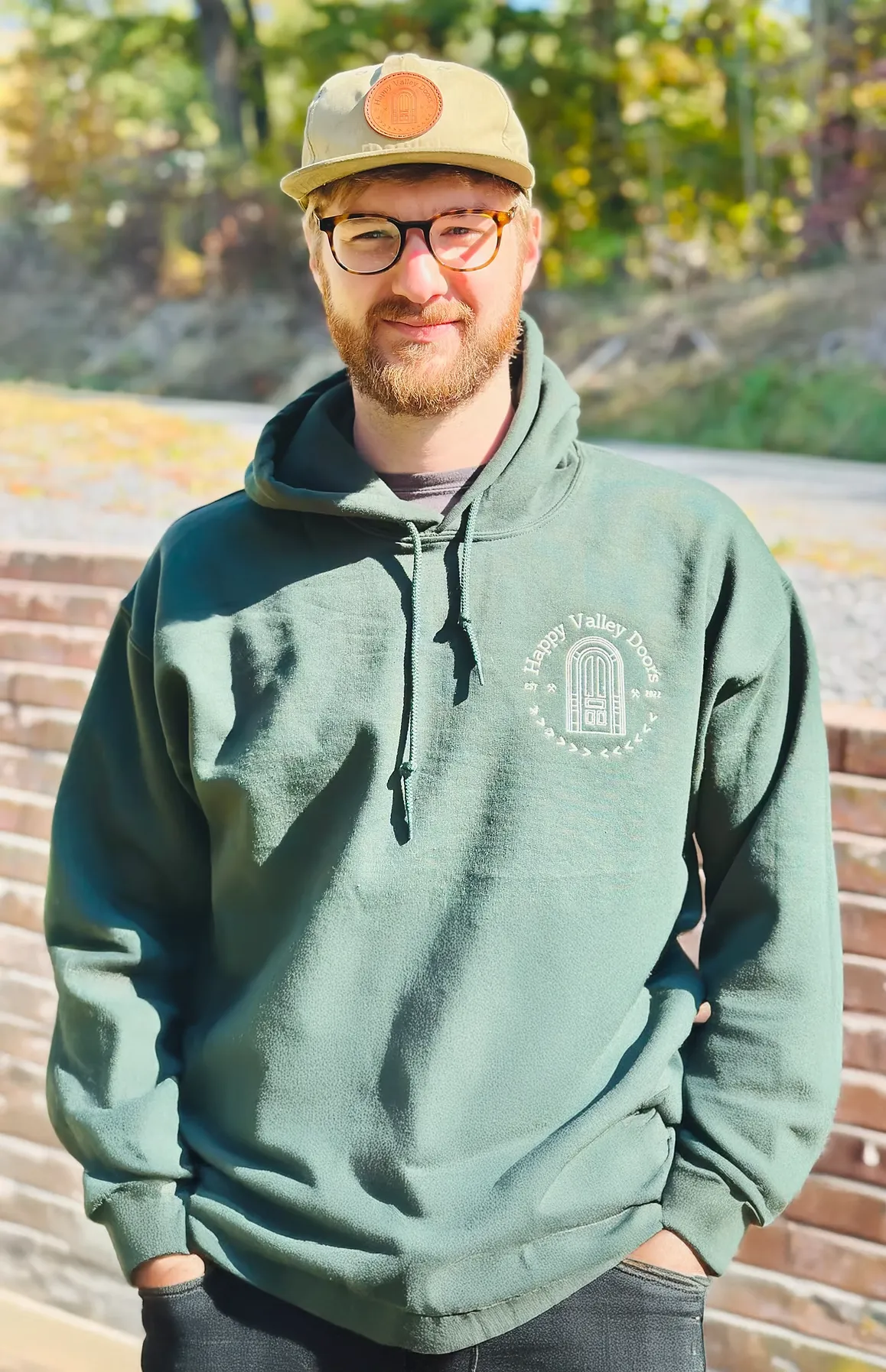
Meet Jeff Smith.
Born and raised in Central Pennsylvania, Jeff grew up curious about how things are built — learning from his father and other skilled tradesmen before turning that craft into his own business in 2022.
He specializes in doors, and the focus shows in the details: accurate measurements, proper installation, clean finishes, and doors that seal correctly and operate smoothly. To Jeff, taking the time to do it right is what makes a door last.
Every project leaves a customer with more than a new door — a lasting piece of craftsmanship that adds to the comfort and character of their home.
— Jeff Smith, Owner
Door Replacement in Centre County
Questions homeowners ask
Straight answers on doors, timelines, and what the free in-home assessment actually covers. Serving State College, Bellefonte and the surrounding Happy Valley area.
What areas does Happy Valley Doors serve for door replacement?
Happy Valley Doors installs and replaces doors throughout Centre County, Pennsylvania — including State College, Bellefonte, Boalsburg, Pleasant Gap, Port Matilda, Centre Hall, Milesburg, Howard, Philipsburg and the surrounding Happy Valley area. If you are searching for a door installer near State College PA, the service area covers most of the county.
What types of doors do you replace?
Entry doors, front doors, exterior and patio doors, interior doors, storm doors, garage doors, and custom-sized doors for non-standard openings. Happy Valley Doors specializes in doors and nothing else, so every job is measured, fitted, sealed and finished by a door specialist rather than a general contractor.
How much does door replacement cost in State College, PA
Cost depends on the door type, size, material and hardware, plus whether the existing frame or jamb needs work. Rather than quoting a guess over the phone, Happy Valley Doors provides a free in-home assessment with on-site measurements and a clear written quote before any work is scheduled.
Is the in-home assessment really free?
Yes. The in-home assessment is free and carries no obligation. It includes on-site measurements of your opening, recommendations on door style, material and finish, and a written quote you can keep. You can book it online at happyvalleydoors.com or call 814-699-9732.
How long does a door installation take?
Most single-door installations are completed in a few hours on a single visit, and customers regularly note that storm door installs finish in under two hours. Larger jobs, multiple doors or openings that need framing work take longer, and the timeline is confirmed in your written quote.
Can you replace a door in a custom or odd-sized opening?
Yes. Older homes in Centre County often have non-standard openings that stock doors will not fit. Happy Valley Doors measures the opening on site and sources a custom-sized door so the fit is accurate, the door seals correctly and it operates smoothly for years.
Should I choose a fiberglass, steel or wood entry door?
Fiberglass is the most low-maintenance choice for Pennsylvania winters and resists warping and rot. Steel offers strong security and value. Wood gives the best traditional look but needs more upkeep. Jeff walks through the trade-offs for your specific opening, exposure and budget during the free assessment.
Will a new exterior door help with drafts and energy bills?
Usually, yes. Drafts around an entry door are most often caused by a poor original installation, a failed seal, or a door that has shifted out of square. A correctly measured and properly sealed replacement door removes the air gaps that let heat escape in winter.
Do you install storm doors?
Yes. Storm door installation is one of the most common jobs Happy Valley Doors handles for homeowners in State College and Bellefonte, adding an extra weather barrier in front of an existing entry door and improving ventilation in warmer months.
Who owns Happy Valley Doors?
Happy Valley Doors is owned and operated by Jeff Smith, who was born and raised in Central Pennsylvania and started the business in 2022. Jeff learned the trade from his father and other skilled tradesmen, and personally handles measurements and installation on every job.
How do I book a door replacement quote?
Book the free in-home assessment online at happyvalleydoors.com, call 814-699-9732, or email [email protected]. You will get on-site measurements, style and finish recommendations, and a written quote before anything is ordered.
Ready When You Are
Let's get the right door on your home.
Book a free in-home assessment, or send a few photos of your opening for a ballpark estimate — handy if you're a bit of a drive from State College.
Prefer to talk? Call or text +1 814-699-9732
Quality & Beauty
Elegant. Strong. Timeless.

Security and Comfort
Protection Meets Comfort

Reduce Noise Pollution
Enjoy Quiet Living

Save Your Money
Top-notch services.

FOLLOW US


COMPANY
LEGAL
Get in touch
© 2026. Happy Valley Doors. All Rights Reserved.
Designed by The SidekicksCRM™